


Photochromatic lenses benefits have become a game-changing topic for anyone who spends time outdoors, particularly in sun-drenched Australia. For current multifocal or bifocal wearers, the prospect of seamless vision correction and effortless lens adaptation is no longer just a wish—it’s a reality. Yet, despite the rising interest, many eyeglass wearers remain unsure about how photochromatic technology works, especially in real-life Australian conditions like driving, gardening, or walking the dog without switching glasses.
In this expert guide, Anthony Brandt of Eyecare Warehouse unpacks the transformative truths and practical considerations behind photochromatic lenses. If you’re seeking clarity, simplicity, and comfort in your next lens upgrade, this authoritative breakdown offers the “aha moments” you need to make an informed, confidence-boosting choice.
Why Photochromatic Lenses Maximize Outdoor Comfort for Seniors and Eyeglass Wearers
When it comes to maximizing outdoor comfort and eye protection, senior citizens and eyeglass wearers often struggle with the hassle of constantly switching between prescription glasses and sunglasses. As Anthony Brandt from Eyecare Warehouse emphasizes, photochromatic lenses benefits offer a tangible solution. These advanced lenses adapt dynamically to changing light, allowing wearers to move effortlessly from bright sun to shade or indoors—without ever swapping glasses. This primary advantage isn’t just about convenience; it’s about quality of life for multifocal and bifocal users seeking more freedom and less fuss.
According to Brandt, the multifaceted benefits stand out for Australians with active lifestyles: “One pair of photochromatic multifocal lenses does it all—no need for a second pair of sunglasses when you’re outside walking the dog or working in the garden.” For retirees, office workers, and anyone with recent prescription changes, these lenses consolidate eyewear clutter and streamline daily routines, making every outdoor moment easier and safer on the eyes.

“One pair of photochromatic multifocal lenses does it all—no need for a second pair of sunglasses when you're outside walking the dog or working in the garden.”
– Anthony Brandt, Eyecare Warehouse
Understanding the Two Technologies Behind Photochromatic Lenses
One of the most critical “aha moments” for many lens wearers comes from understanding how photochromatic lenses work beneath the surface. Brandt explains that not all photochromatic lenses are created equal. There are two main types: en masse (where light-reactive molecules are embedded within the lens material), and surface coatings (where the treatment is applied on top of the lens). “There are two main types: en masse technology where the light-reactive molecules are embedded directly into the lens material like CS 39, and surface coatings applied on top of lenses,” shares Brandt.
Delving deeper, Brandt highlights that en masse technology uses materials such as CS 39, mid index 1.56, or 1.74—each affecting the effectiveness and durability of the photochromatic reaction. Lenses with embedded molecules (en masse) consistently outperform surface-coated lenses, delivering superior darkness, longevity, and clarity, especially with repetitive sun exposure. For multifocal wearers, this technological distinction is crucial; those using embedded (en masse) photochromatic lenses enjoy a more stable, reliable transition and long-term satisfaction—key for anyone relying on just one pair of glasses.
If you're interested in how quickly you can upgrade to advanced lenses, it's worth noting that some providers offer same day glasses solutions for multifocal and photochromatic prescriptions, making the transition to better vision even more convenient.
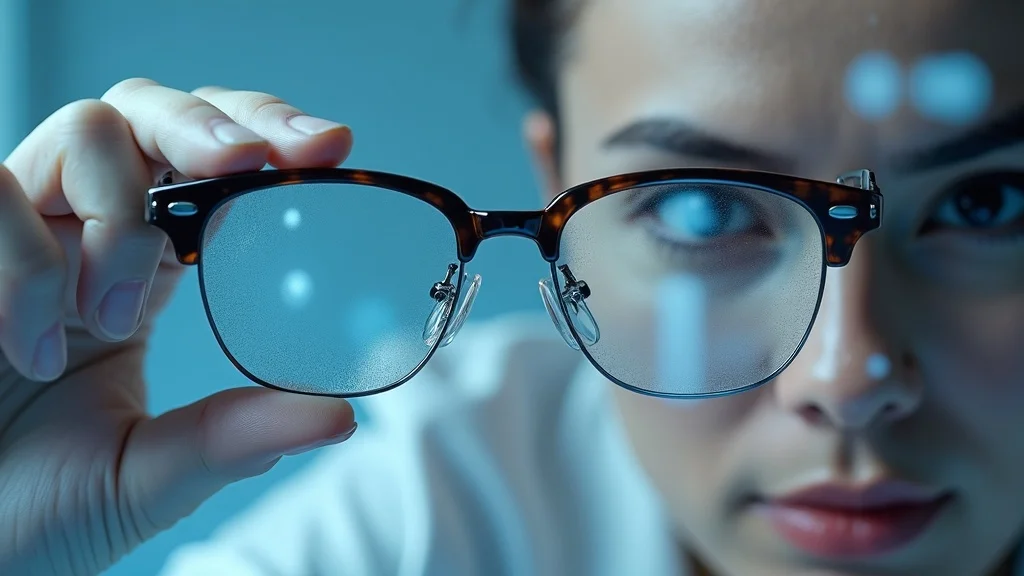
“There are two main types: en masse technology where the light-reactive molecules are embedded directly into the lens material like CS 39, and surface coatings applied on top of lenses.”
– Anthony Brandt, Eyecare Warehouse
How UV Protection in Modern Cars Affects Lens Performance
A pervasive misconception among Australian drivers is that their photochromatic lenses will darken just as effectively inside their car as they do outdoors. Brandt is quick to clarify: “Because car windshields block most UV rays, photochromatic lenses don’t darken much inside vehicles, but outside, they can transition from fully clear to 85% darkness.” This means that only a minimal tint may occur behind the wheel, since automotive glass is specifically designed to shield passengers from harmful ultraviolet radiation—thus limiting the lens reaction.
For those who spend significant time driving or want full sun protection while on the road, understanding this nuance is vital. According to Brandt, for maximum photochromatic benefit, direct exposure to UV light (such as when walking outdoors, gardening, or participating in outdoor activities) is necessary to activate the lens’s transition fully. This expert distinction can help wearers choose the most appropriate lens and driving accessories, ensuring their outdoor vision remains comfortable, healthy, and fully protected—on and off the road.

“Because car windshields block most UV rays, photochromatic lenses don’t darken much inside vehicles, but outside, they can transition from fully clear to 85% darkness.”
– Anthony Brandt, Eyecare Warehouse
Key Benefits of Photochromatic Lenses for Multifocal and Bifocal Users
- Seamless vision correction at all distances without switching glasses
- Automatic darkening outdoors for optimal eye protection from UV light
- Reduced need for multiple pairs of eyewear—convenience and cost savings
- Enhanced comfort during outdoor activities like walking, gardening, or driving
- Advanced lens technologies ensuring clarity and durability
Brandt emphasizes how photochromatic lenses benefits cater directly to modern multifocal and bifocal wearers seeking simplicity. Imagine no more juggling separate sunglasses or risking unprotected eyes during casual outdoor chores. Thanks to automatic UV-reactive darkening, your eyes receive consistent protection, even as you move from dim interiors to bright, sun-filled gardens or bustling streets.
It’s not just about safety, though—convenience and durability are also key features for today’s fashion- and budget-conscious consumers. Brandt’s vision at Eyecare Warehouse centers on merging sustainability (by promoting frame reuse) with cutting-edge local lens manufacturing, ensuring Australians get lasting value from every upgrade. The intuitive performance of these lenses means wearers can confidently enjoy any activity without pause—a true “set and forget” solution for busy, active lives.

Common Misconceptions and What Optical Experts Want You to Know
- Photochromatic lenses do not significantly change tint inside cars due to windshield UV filtering
- Not all photochromatic lenses are equal; embedded molecular tech differs from surface coatings
- Choosing lenses embedded within the material (en masse) improves longevity and performance
Many people mistakenly believe that all photochromatic lenses are functionally interchangeable, or that their glasses will darken automatically whenever sunlight is present—including inside a vehicle. Brandt dispels these myths by highlighting the impact of UV protection in automotive glass, and by drawing clear lines between the two main technologies (en masse and coating). Notably, the only way to guarantee the best performance and durability is to opt for en masse construction, which more effectively preserves lens clarity and color-changing consistency over years of use.
For multifocal and bifocal users—and especially those seeking a sustainable, low-waste approach to eyewear—Brandt recommends verifying not just functionality, but also technology origin and local expertise. This knowledge ensures you’re investing in glasses that will transition smoothly, protect reliably, and reduce your need for frequent replacements or multiple pairs.
Practical Tips for Choosing the Right Photochromatic Lenses
- Verify if your preferred lenses use en masse technology or coatings
- Consider lifestyle needs like outdoor activities and driving habits
- Consult with independent optometrists familiar with advanced multifocal lens options
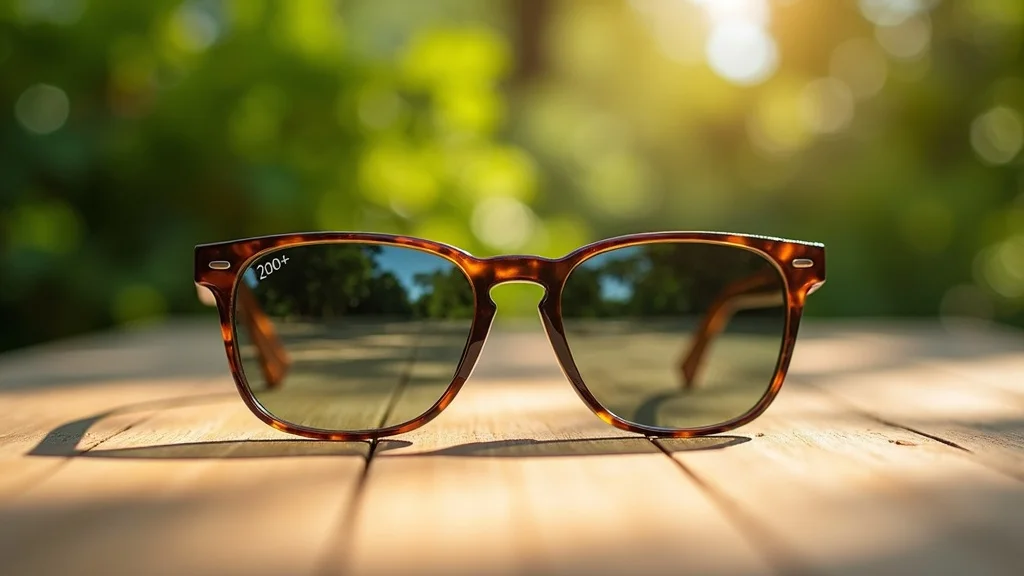
To maximize the photochromatic lenses benefits, Brandt advises customers to confirm the technological foundation of their chosen lens—ideally seeking options with en masse embedded molecular technology. Your day-to-day lifestyle matters as well: busy gardeners, active dog-walkers, and commuters with long outdoor exposures will see even more value from robust and responsive photochromatic materials.
Finally, consulting knowledgeable, independent optometrists—like the team at Eyecare Warehouse—can dramatically simplify your decision. Experts versed in both the science and practicalities of local lens technology are best positioned to identify the right balance of vision correction, transition performance, and sustainability, tailored to your personal needs and prescription history.
Summary: Simplify Your Lens Choice with Photochromatic Technology
As Brandt neatly summarizes, photochromatic lenses offer a hassle-free blend of protection, comfort, and style for anyone looking to streamline their eyewear game. “Photochromatic lenses combine everyday wear and sunglasses in one, offering superior UV protection and ease for outdoor lifestyles.” For multifocal and bifocal users, the benefits stack up: fewer glasses, seamless transitions, and a more confident, enjoyable experience—whether you’re enjoying the outdoors or simply going about your daily routine.
“Photochromatic lenses combine everyday wear and sunglasses in one, offering superior UV protection and ease for outdoor lifestyles.”
– Anthony Brandt, Eyecare Warehouse
Next Step to Upgrade Your Vision Comfortably and Cost-Effectively
Ready to experience the ultimate photochromatic lenses benefits for yourself? According to Anthony Brandt, choosing the right technology and consulting an expert will ensure you enjoy years of clear, comfortable, and sustainable vision
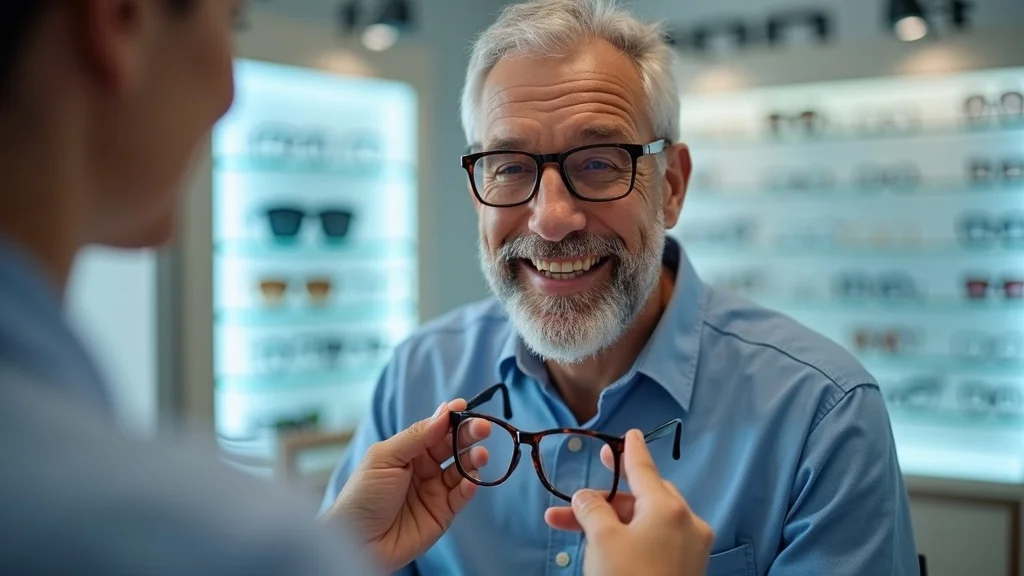
If you’re inspired to further enhance your eyewear experience, consider exploring the broader possibilities that modern optical solutions offer. From rapid prescription fulfillment to innovative lens technologies, today’s optical providers are making it easier than ever to access tailored vision care. Discover how same day glasses and advanced lens options can fit seamlessly into your lifestyle by visiting Eyecare Warehouse’s gallery of solutions. Taking the next step in your vision journey could be as simple as choosing the right partner—one that values both your time and your long-term eye health.




Write A Comment